The Pillow Edit
Memory Foam Pillows: How Shape and Density Affect Support
A pillow can be soft, sculptural, and impeccably comfortable—and still fail to support you well. With memory foam, the details matter: contour, height, firmness, and density all influence how the pillow responds to your head and neck. Understanding those features makes it easier to find a shape that feels right for your sleep position, your body, and the way you like to settle in.
Memory foam is known for its ability to yield under pressure and gradually return toward its original shape. In a pillow, that response can create a close, cushioning feel: the material compresses where the head rests and offers resistance around it. The result is less like sinking into a loose pile of filling and more like settling into a carefully formed surface.
But memory foam is not one uniform experience. A molded contour pillow behaves differently from a simple rectangular block. A dense foam may feel steady and substantial, while a softer or more open structure can compress more readily. The pillow’s height, too, changes how the neck is held. Each element contributes to the overall impression—and to whether the pillow feels comfortable through the night.
There is no universally correct profile or density. The aim is a comfortable position in which the head feels supported without being pushed up, tipped down, or held at an awkward angle. Treat shape and density as useful clues, not as a formula that promises the same result for every sleeper.
What memory foam does beneath the surface
Traditional memory foam responds to pressure and warmth. When the head rests on it, the foam compresses in the areas receiving the most weight, forming a shallow impression. As pressure shifts, the material adjusts more slowly than many springier pillow fills. This gradual response is the source of its characteristic contouring sensation.
That contour can feel reassuring to sleepers who like a stable, cushioned surface. The pillow is less likely to be reshaped with every small movement than a very loose fill, and a well-designed foam core can provide consistent support across its surface. Some people also appreciate that the head does not feel as though it is floating above the pillow.
The same close fit can feel restrictive to others. If you change positions frequently, a slow response may take a moment to accommodate each turn. Foam can also retain warmth, although materials, ventilation channels, covers, and room conditions affect the experience. A label alone cannot tell you exactly how warm or responsive a particular pillow will feel.
Memory foam pillows may be made from one solid piece, shredded foam, or a combination of materials. Solid foam tends to hold a defined profile. Shredded foam may feel more adjustable and pliable, especially if some filling can be removed. Layered or hybrid designs combine foam with other components, so the support and sensation depend on the entire construction rather than a single material name.
Shape: contour, curve, and classic rectangle
Shape is the most immediately visible distinction between memory foam pillows. Some have a familiar rectangular profile with a gently rounded surface. Others have a sculpted contour, often featuring a higher edge and a lower central area. Neither design is automatically more supportive. The best shape is the one that lets you rest comfortably without forcing your head into a position that feels unnatural.
Contoured pillows
A contour pillow is designed with curves or raised edges intended to accommodate the head and the space beneath the neck. For some back sleepers, the lower center and gently elevated neck area may feel intuitive. A side sleeper may prefer a higher edge that fills the gap between shoulder and head. Yet bodies vary, and contouring that seems elegant in a product description may not match everyone’s proportions or preferred sleeping posture.
Pay attention to how the curve feels when you lie down. Does the head rest in a comfortable position, or does the pillow seem to tip it forward or backward? Does the neck feel gently supported, rather than pushed into a fixed bend? The purpose of a contour is not to make you hold still in one prescribed posture; it is to offer a surface that feels compatible with the way you rest.
Traditional shapes
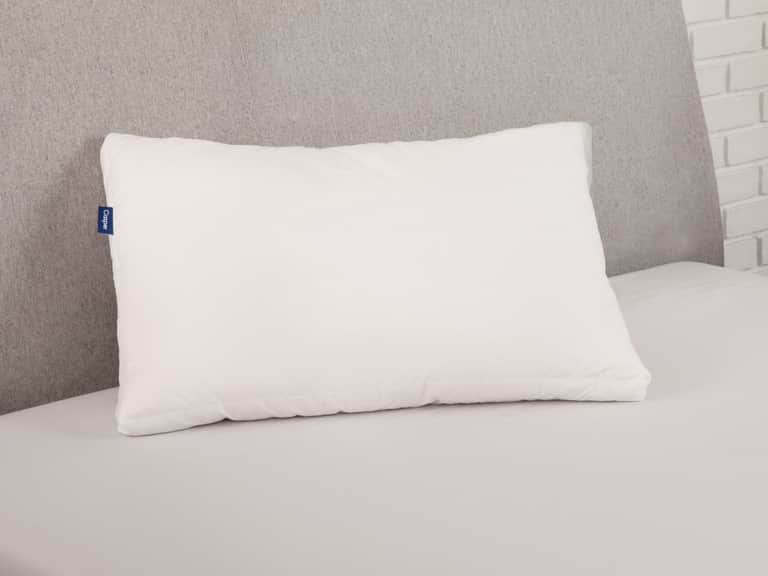
A rectangular memory foam pillow may be a better match for those who prefer a familiar outline or move between positions. A gently shaped, non-contoured surface can feel less directive than sculpted foam while still offering a stable cushion. It may also fit easily into standard pillowcases, though dimensions and fill height vary.
Shredded and adjustable designs
Shredded foam can create a more flexible, less monolithic feel. The pieces shift as the sleeper moves, and in some pillows, the amount of filling can be adjusted. That can be useful when the ideal loft is uncertain: removing some fill may lower the pillow, while adding it back can make the surface fuller. Check the care guidance before opening or washing an adjustable pillow, and keep removed fill in a clean, dry place if you intend to use it later.
Adjustability is not a guarantee of a perfect fit, but it can make experimentation more practical. Changes should be gradual. Alter the fill or arrangement, then give the pillow several nights before deciding whether the new configuration feels better.
Density and firmness are not interchangeable
Density describes how much material is packed into a given volume of foam. Firmness describes how resistant the foam feels when pressure is applied. The two qualities can be related, but they are not synonyms. A dense foam may feel supportive and substantial; a less dense foam may compress more easily. Still, the feel also depends on the foam formulation, construction, thickness, and the weight and shape of the person using it.
Density can be a clue to how a pillow may respond and how much material is present, but it does not tell the whole story. A high-density pillow is not automatically the right choice for every sleeper, nor does a soft surface necessarily mean poor support. Support is about how the pillow behaves under your head and neck in your usual position—not about choosing the most imposing specification.
Similarly, a firmness label is a broad guide rather than a universal measurement. One manufacturer’s “medium” may feel different from another’s. If you can test a pillow in person, notice how readily it compresses and whether the rebound feels comfortable. If you are buying remotely, look for clear descriptions of profile, materials, return terms, and any guidance about who the design may suit.
Density may also contribute to weight, though pillow construction changes the final result. A solid foam core can feel heavier than a shredded filling of similar material. That matters if you frequently move or reposition your pillow, or if you prefer a lighter bedding arrangement.
Pillow height and sleep position
Loft is the height of a pillow when it is resting under the head. It can change once a person lies down: a compressible pillow may become significantly lower under pressure. This is why an uncompressed measurement, when available, should be treated as a starting point rather than a promise of the height you will experience in bed.
Sleep position offers a useful first guide because it changes the space the pillow needs to fill. It is not a rigid rule. Shoulder width, body proportions, mattress firmness, personal comfort, and the way someone moves through the night all affect what feels supportive.
- Side sleeping: A side sleeper often needs enough height to fill the space between the shoulder and the side of the head. A pillow that compresses too much may leave the head tilting toward the mattress. One that is too tall may push the head upward. The ideal amount of loft depends on the individual and on how much the shoulder sinks into the mattress.
- Back sleeping: Many back sleepers prefer a moderate profile that cushions the head without lifting it too far forward. A pronounced contour can feel comfortable to some, while others prefer a flatter, more conventional surface. Avoid assuming that the tallest pillow gives the most support.
- Stomach sleeping: A lower, softer profile may feel more comfortable for people who sleep on their stomach, since extra height can place the head at a pronounced angle. Some stomach sleepers choose a very thin pillow or none beneath the head, though comfort and individual circumstances differ.
- Combination sleeping: Those who move between side and back positions may want a shape that accommodates more than one posture. A pillow that feels excellent in one position may feel too high or too structured after a turn, so test it in the positions you actually use.
There is no need to hold a rigid pose to earn the benefits of a pillow. The practical question is whether your head and neck feel comfortably supported in the position you naturally adopt, and whether that remains true when you move.
A thoughtful way to test a pillow
Give the pillow a fair trial under realistic conditions. A few seconds in a shop or a quick press of the foam can reveal its initial feel, but it cannot reproduce a full night of movement and changing pressure. If a trial period is available, use it according to the stated terms and keep the pillow clean as instructed.
- Start with your usual position. Lie down as you normally would, rather than arranging yourself to match the pillow’s shape.
- Check the height. Notice whether the head feels level and at ease, or whether the pillow seems to push it upward or let it sink too far.
- Notice the neck and shoulders. The surface should feel comfortable, with no obvious pressure from an edge or ridge. Consider the mattress as part of the picture: a softer mattress may allow the shoulder to sink more deeply than a firm one.
- Change positions. If you are a combination sleeper, roll into your other common positions. Note whether the contour remains comfortable or becomes intrusive.
- Pay attention to heat and response. Consider whether the foam feels too warm or too slow to adjust for your preferences. A short test may not reveal the entire overnight experience, but it can flag an immediate mismatch.
- Allow a measured adjustment period. A new pillow may feel different from the one you have used for years. Give yourself time to assess it, while also taking persistent discomfort seriously.
A quick decision based solely on the word “orthopedic,” a dramatic contour, or a premium-sounding density figure is less useful than direct attention to fit. Those descriptions may explain an intended design, but comfort is experienced in the body.
Temperature, covers, and care
Foam’s close contact can feel warm, but thermal comfort is shaped by more than the core. The cover, airflow, bedroom temperature, bedding layers, and an individual’s own preferences all play a role. Some designs incorporate perforations or channels; others use different foam formulations or breathable covers. These features may affect how air moves, but marketing language should not substitute for your own experience.
A breathable pillowcase and a comfortable room environment may help the bed feel more balanced. Follow the care label closely: many solid memory foam cores should not be machine-washed or saturated with water. Spot-clean the cover or use a removable, washable protector when the manufacturer permits it. Let the pillow dry fully before returning it to the bed, and avoid heat or cleaning agents that the care instructions prohibit.
Foam can have a noticeable scent when first unpacked. If that occurs, follow the manufacturer’s advice, allow the pillow to air in a well-ventilated space, and wait until the smell has dissipated to your comfort before use. Do not assume that every foam product can be handled the same way; construction and materials differ.
When a different pillow may suit you better
Memory foam is one option among many, not a necessary upgrade. Some sleepers prefer the responsive loft of down, the distinct feel of feathers, a washable synthetic fill, or an adjustable natural-fiber design. Others simply want a pillow that can be fluffed and reshaped by hand. Choosing between these materials is a matter of preference, care requirements, and the kind of support that feels comfortable to you.
Consider the qualities you value most. Do you want a pillow that holds a defined contour, or one that changes shape easily? Do you prefer a close, steady cushion, or a lighter surface that can be shaken into place? Is ease of washing important? These questions often produce a clearer shortlist than the pursuit of a particular material or a single number on a product label.
If neck pain, numbness, headaches, or other symptoms are persistent or severe, a pillow guide cannot diagnose the cause. Seek advice from an appropriate health professional, particularly if symptoms are new, worsening, or interfering with daily life. Bedding can affect comfort, but it is not a substitute for medical assessment.
The considered choice
The most comfortable memory foam pillow is rarely defined by one feature alone. Shape determines where the pillow offers its curves and edges; density contributes to the way the foam compresses and feels; loft influences how high the head rests; and sleep position helps reveal what kind of support may be welcome. The cover, temperature, and your willingness to sleep on a more structured surface complete the picture.
Begin with your habitual position and the pillow height you already find comfortable. Then consider whether you want a sculpted contour or a more adaptable outline, and whether a steady, close-fitting feel suits you. Use specifications to narrow the options, but let comfort have the final word. A well-chosen pillow should feel quietly supportive: present enough to do its work, unobtrusive enough to let the night unfold.
At a glance
- Contour and rectangular designs offer different sensations; neither is universally superior.
- Density and firmness are related concepts, but they do not mean the same thing.
- Loft should be considered in relation to sleep position, body proportions, and mattress feel.
- Try a pillow in the positions you actually sleep in, and follow its care instructions.
- Specifications are helpful guides, while individual comfort remains the deciding factor.