Down-Alt Duvet
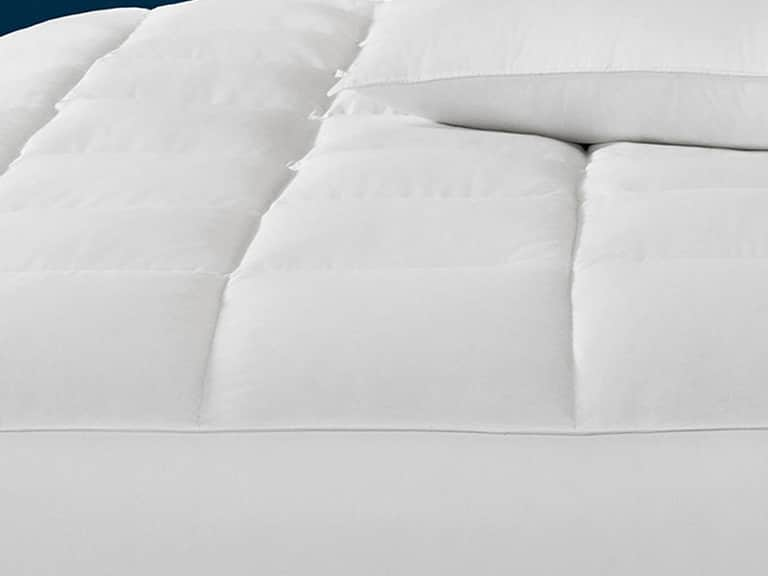
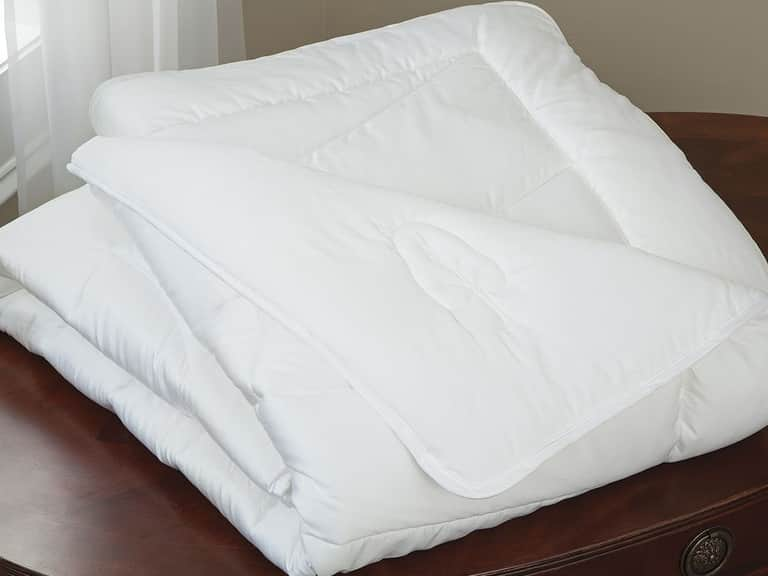
Sleep cooler and lighter with breathable recycled fill and TENCEL shell, plus sewn-in chambers and cover loops that keep loft even and shifting minimal for uninterrupted comfort all night.
An editorial journey through the lineage of luxury down duvets, tracing ethical sourcing, region-specific craft, and the standards that keep these textiles both sumptuous and responsibly produced. From the Arctic origins of eiderdown to European craftsmanship and North American weaving halls, this guide unfolds the quiet luxury behind every lofted stitch, every sewn-in chamber, and every corner loop that keeps a duvet aligned within its cover.
Luxury bedding has always been more than warmth; it is a language of care, of the hands that shear, skim, stitch, and weave. The modern duvet is the culmination of centuries of textile innovations—the loft that defines comfort, the shell that governs breathability, and the stitching that ensures longevity. In this age of transparency, ethical sourcing is not optional—it is the signature on the label of responsibility. The Responsible Down Standard (RDS) and similar certifications function as a compass for consumers who demand both performance and conscience.
In the textile world, a duvet is a compact ecosystem. The fill type—whether true goose down, hypoallergenic Down-Alt, or milkweed-infused blends—speaks to warmth, weight, and care. The shell material, often 100% cotton or a silk jacquard weave, sets the tone for durability and tactile pleasure. And then there are the architecture details—baffle-box constructions to prevent cold spots, corner loops to secure the duvet within a cover, and stitch-through designs that keep fillings evenly distributed for years.
As a reader of the craft, you’re invited to trace the lineage: from Nordic and Arctic regions where eiderdown gathered its mystique, through European textile houses that refined warmth into a luxury, to North American ateliers that continue to honor artisanal methods while embracing modern certifications.
The story of luxury down duvets is as regional as the loom. Eiderdown, long prized in Nordic circles, derives its name and character from the eider duck’s nesting grounds—coasts and islands where harsh winds demand extraordinary insulation. This origin story isn’t merely about warmth; it’s about ethical harvesting practices, care for the birds, and respect for delicate ecosystems. European duvet traditions, meanwhile, often fuse French and British terminology with centuries of cotton and satin-tooled shells, where craftsmanship elevates function into an art form.
In North America, upholstery and textile ateliers have embraced advanced stitching techniques, refined shell fabrics, and traceable supply chains. The Monmouth Mattress Pad and the Ecco Comforter offerings illustrate how brands can pair luxurious materials with transparent sourcing narratives. While these items are marketed as premium products, the underlying ethics—RDS certification, responsible down farming, and sustainable fabric finishes—shape the storytelling and trust behind every piece.
Ethics in duvet production hinge on animal welfare, environmental stewardship, and labor integrity. Certifications such as RDS enable brands to communicate a measurable standard of care, from the farm to the finished product. Brands often supplement RDS with third-party tests for chemical emissions or material safety (UL GREENGUARD, GOTS for organic textiles). The result is a duvet that not only feels exquisite but also aligns with modern expectations of sustainability.
Careful attention to the shell material—whether organic cotton with a tight weave or silk jacquard with a gentle sheen—further emphasizes responsible practices. Durable, breathable shells prolong the life of a duvet, reducing the need for frequent replacements and lowering the environmental footprint. Care instructions, too, reflect this ethic: many high-end items advocate for duvet covers, spot-cleaning, and professional cleaning to maintain loft and integrity, rather than aggressive domestic washing cycles that can degrade filling.
In the fashion-forward world of interiors, the sensory experience matters as much as the technical details. The approach here is editorial: a narrative that reads like a feature in a glossy magazine, with a focus on voice, texture, and context. This guide is not merely a manual; it is a capsule of culture—where ethics meet artistry, and tradition meets contemporary science. Think of each duvet as a chapter in a larger story about how we define luxury today: not only in what we feel but in what we stand for.
To navigate the world of luxury down duvets with confidence, consider the following editorial guideposts:
Additionally, the editorial ethos invites readers to seek narratives—interviews with artisans, museum-backed histories of textile centers, and academic insights—that enrich understanding beyond product pages.
While the elegance of eiderdown and luxury duvets is undeniable, this guide maintains a practical spine. When selecting a duvet, balance warmth with breathability. Consider the climate: eiderdown is famously insulating yet surprisingly light; for warmer climates or sleep hot, a Down-Alt option provides cooling comfort with more washing ease. For those seeking sustainability, look for shells with GOTS or Oeko-Tex certifications, recycled polyester fills with breathable TENCEL Lyocell shells, or plant-based fibers that offer moisture management without compromising loft.
Care and longevity matter. A duvet cover system—paired with good laundering practices and professional cleaning for the interior—helps preserve loft and structural integrity. The goal is a long-lasting heirloom piece that continues to feel luxurious across generations.

Breathable, cooling duvet with recycled polyester fill and a TENCEL Lyocell shell. Sewn-in chambers keep fill in place for consistently cool comfort.
Key features: 100% TENCEL Lyocell shell, eight interior loops for secure placement, available in multiple weights to suit seasonal needs.
Note: The Down-Alt Duvet demonstrates how modern sustainable materials can deliver luxury comfort without compromising ethical considerations.
Content presented with a Vogue-like emphasis on texture, culture, and conscience — a celebration of textile history and ethical luxury.