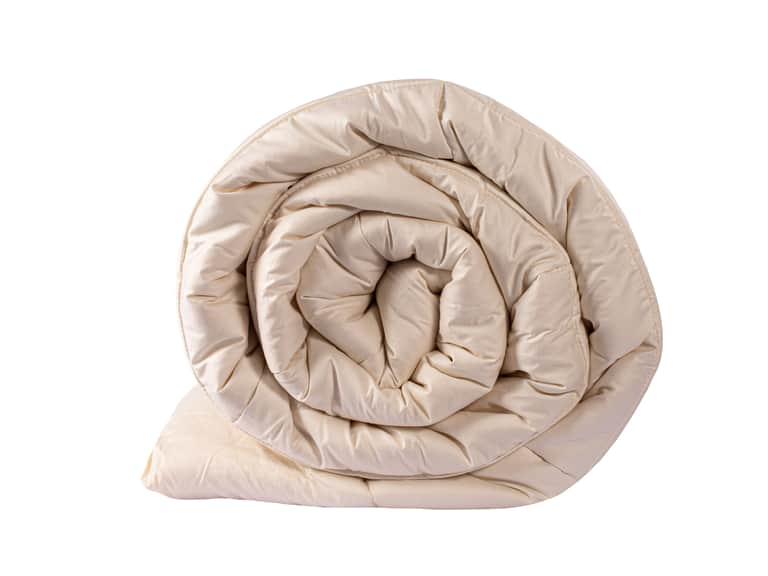
Wool comforters provide an insulating layer for beds, using natural animal fibers to help retain warmth while allowing moisture vapor to move away from the sleeper. Their temperature-regulating qualities can make them suitable across changing seasons. As part of bedding, they pair with sheets and duvet covers to create a comfortable, layered sleep environment.
Wool fibers have a naturally crimped structure that traps air, contributing to lightweight insulation without relying on dense synthetic fill. Wool can also absorb water vapor while feeling relatively dry, which may support comfort for people who experience temperature changes during sleep. Construction, fill weight, and cover fabric all affect a comforter’s warmth and feel.
The Naturepedic Alpaca Duvet Insert Comforter uses alpaca fiber as its insulating fill, offering a natural alternative to conventional bedding materials. Alpaca fibers are known for warmth with a comparatively light feel, while the duvet insert format is designed for use inside a duvet cover. A cover can help protect the insert and simplify routine bedding care.
Sleep and Beyond myMerino Wool Comforter Light is a lightweight option filled with Merino wool, suited to sleepers seeking breathable insulation rather than a heavy layer. Merino fibers are fine and soft, and the lighter fill can be useful in warmer conditions or for year-round layering. Its function complements other bedding, including pillows and sheets.
When comparing wool comforters, consider fiber type, fill weight, dimensions, construction, and care instructions, since these details influence warmth, drape, and maintenance. Wool bedding may be paired with memory foam pillows or other pillow styles according to personal comfort preferences. A well-chosen combination of comforter, duvet cover, and sheets supports practical, adaptable bedding.
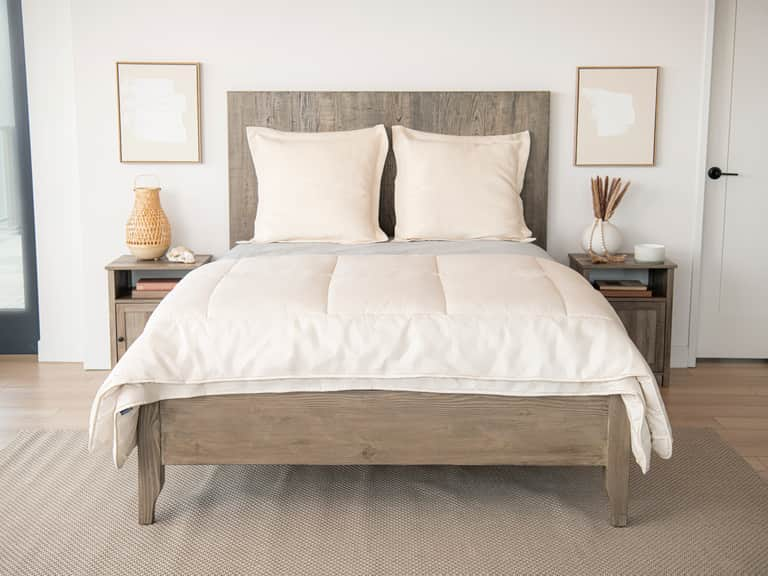 Bedding